What is Dyslipidemia?
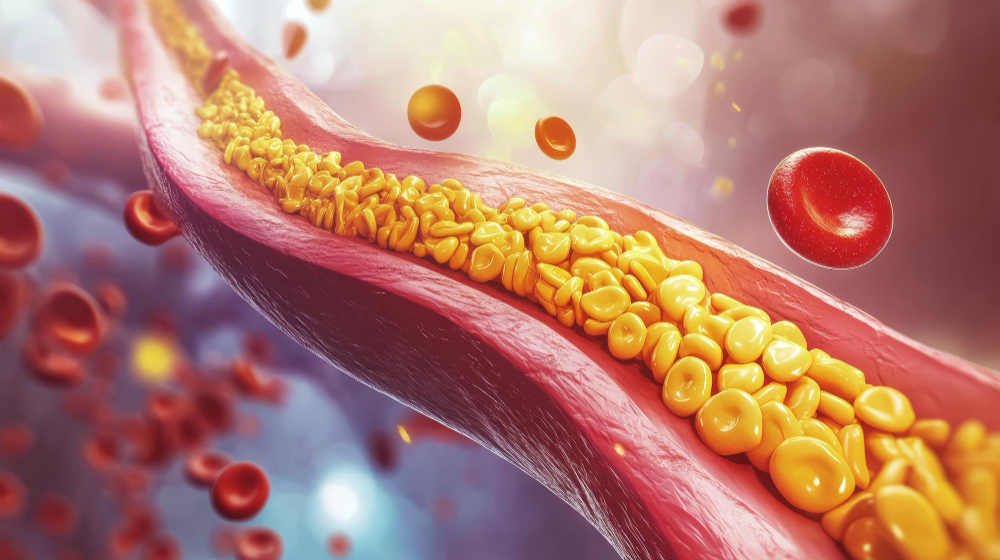
Dyslipidemia is a condition where the levels of fats, like cholesterol and triglycerides, in your blood are not normal. Often, these levels are too high, but sometimes they can be too low. Because of this, dyslipidemia can increase your risk of heart disease and stroke. Many people do not notice any signs at first. However, early detection is important for good health. According to the World Health Organization, high cholesterol is a major risk factor for heart problems worldwide.
Common Symptoms of Dyslipidemia
Usually, dyslipidemia does not cause clear symptoms. Still, some people may notice changes if their cholesterol is very high. For example, you might see:
Because symptoms are rare, regular blood tests are important. This helps catch dyslipidemia early, even if you feel fine.
Causes and Risk Factors
Many things can lead to dyslipidemia. Some causes are within your control, while others are not. For instance, genetics play a role, but lifestyle choices matter too. Common causes and risk factors include:
Even if you feel healthy, these factors can raise your risk. Therefore, it is wise to check your cholesterol regularly.
How Dyslipidemia is Diagnosed
Doctors use a simple blood test called a lipid panel to check for dyslipidemia. This test measures:
Usually, you need to fast for 9 to 12 hours before the test. Afterward, your doctor will explain the results. If your levels are not normal, you may need more tests or treatment. Early diagnosis helps prevent serious health problems later.
Lifestyle Tips for Managing Dyslipidemia
Besides medical or homeopathic treatment, healthy habits can help manage dyslipidemia naturally. For instance, you can:
With these steps, you can lower your cholesterol and improve your heart health. Even small changes can make a big difference over time.
Prevention Strategies
Preventing dyslipidemia is possible for many people. Although genetics play a role, lifestyle choices are key. To reduce your risk, you can:
By taking these steps, you can help keep your cholesterol in a healthy range.
When to See a Doctor
Even if you feel well, it is important to see a doctor for regular check-ups. You should visit your doctor if you:
Early care can prevent serious problems. Therefore, do not wait for symptoms to appear. Regular testing and advice from a healthcare professional are the best ways to manage dyslipidemia.
Consult a healthcare professional or a qualified homeopath for personalized advice on managing dyslipidemia.