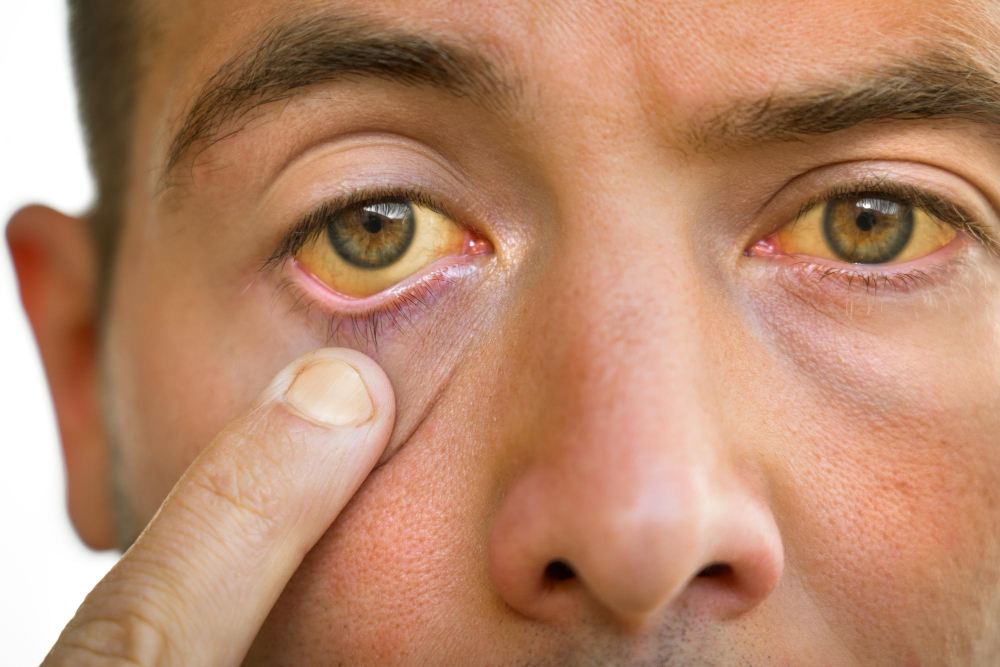
What Is Jaundice?
Jaundice is a condition where the skin and eyes turn yellow. This happens when there is too much bilirubin in the blood. Bilirubin is a yellow pigment made when red blood cells break down. Usually, the liver removes bilirubin from the body. However, if the liver cannot do this, bilirubin builds up. As a result, jaundice develops. Many people search for natural remedies for jaundice, including homeopathic treatment for jaundice. Understanding jaundice helps you spot symptoms early and seek the right care.
Common Symptoms of Jaundice
Jaundice symptoms can vary from person to person. However, some signs are more common. Early detection is important. Look for these symptoms:
If you notice any of these signs, it is wise to consult a doctor. Early care can prevent complications.
Causes and Risk Factors
Jaundice can have many causes. Often, it is linked to problems with the liver, bile ducts, or red blood cells. Some common causes include:
Additionally, some people have a higher risk. For example, newborns, people with chronic liver disease, and those who drink alcohol often are more likely to get jaundice. According to the World Health Organization (WHO), hepatitis and alcohol use are leading causes worldwide.
How Jaundice Is Diagnosed
Doctors use several steps to diagnose jaundice. First, they ask about your symptoms and medical history. Next, they perform a physical exam. Often, they check your skin and eyes for yellowing. After that, blood tests help measure bilirubin levels. These tests also check liver function. Sometimes, doctors use imaging tests like ultrasound or CT scans. These help find blockages or liver problems. In rare cases, a liver biopsy may be needed. Early diagnosis helps guide the best treatment.
Lifestyle Guidance and Prevention Tips
Healthy habits can help prevent jaundice and support liver health. Here are some tips:
By following these steps, you can lower your risk of liver problems. In addition, these habits support overall well-being.
When to Seek Medical Attention
Sometimes, jaundice can signal a serious health problem. Therefore, it is important to seek medical help if you notice:
These signs may mean your liver is not working well. Quick medical care can prevent complications. Do not delay if you have these symptoms.
Conclusion
In summary, jaundice is a condition that needs careful attention. While homeopathic treatment for jaundice and natural remedies for jaundice may help some people, medical care is essential. Early diagnosis and healthy habits can make a big difference. Consult a healthcare professional or qualified homeopath for personalized advice on jaundice.